
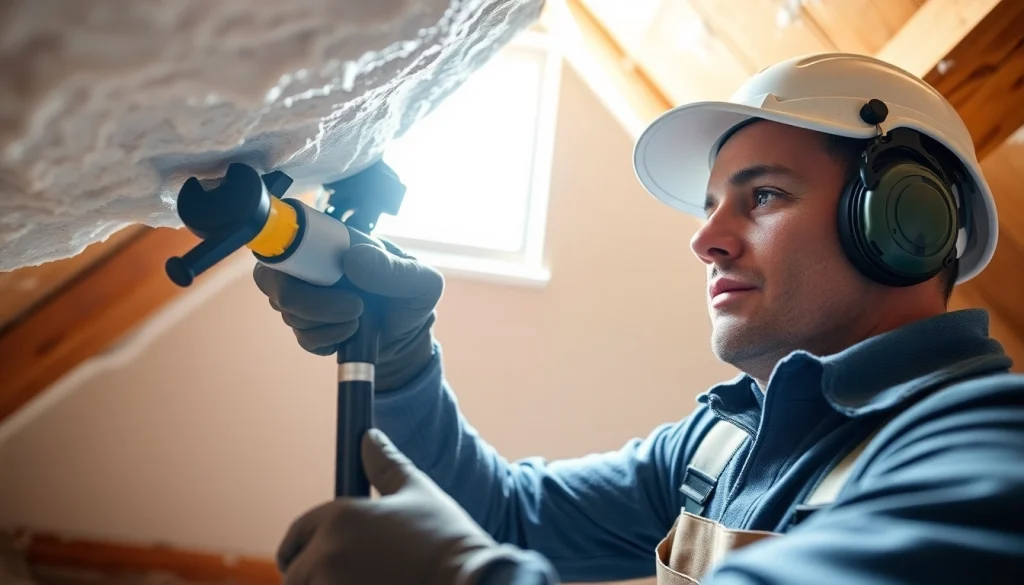

What is Spray Foam Insulation?
Spray foam insulation is a type of insulation that is applied as a liquid and expands into a foam, filling gaps and creating a seal. This product effectively insulates against heat transfer and air leaks, making homes more energy-efficient. It is a popular choice among homeowners looking to improve their energy efficiency and reduce utility bills.
Types of Spray Foam Insulation
There are primarily two types of spray foam insulation: open-cell and closed-cell foam. Open-cell spray foam is less dense, allowing air to fill the cells, which makes it a good sound absorber. Closed-cell foam, on the other hand, is denser and creates a more effective barrier against moisture and air leaks. Understanding the characteristics of each type can aid in selecting the right option for your home.
Benefits of Using Spray Foam
- Energy Efficiency: Spray foam insulation can significantly reduce heating and cooling costs by preventing air leaks.
- Moisture Barrier: Closed-cell foam provides excellent resistance to moisture, preventing mold growth and structural damage.
- Noise Reduction: The foam can also act as a sound barrier, enhancing the acoustic comfort of a home.
- Longevity: Spray foam insulation does not settle or sag over time, ensuring lasting performance.
Common Applications in Homes
Spray foam insulation is versatile and can be used in various areas of a home, including attics, crawl spaces, and walls. Its ability to conform to irregular surfaces makes it ideal for hard-to-reach spaces and complex architectural designs, providing a thorough insulation solution.
Why Consider Removal?
While spray foam insulation offers several benefits, there are scenarios where removal might be necessary. This could stem from issues related to age, damage, or changes in the needs of the home.
Signs You Need to Remove Spray Foam Insulation
Here are some indicators that it may be time to consider removal:
- Visible Damage: If the foam is cracked, crumbling, or shows other signs of deterioration.
- Unpleasant Odors: Persistent odors can indicate mold or chemical degradation.
- Energy Inefficiency: If you notice higher energy bills despite having spray foam insulation.
- Pest Infestations: Foam can trap pests; if infestations occur, removal may be necessary.
Potential Risks of Keeping It
Retaining damaged or ineffective spray foam insulation can lead to increased energy costs, potential health risks from mold, and structural issues in the property. It’s essential to assess any long-term impacts that compromised insulation may have on your home’s safety and efficiency.
Environmental Considerations
The environmental impact of spray foam insulation, particularly in terms of chemical emissions during installation and removal, is a crucial factor to consider. Selecting eco-friendly products or seeking professional help for safe removal can mitigate potential environmental harm.
Estimating the Cost to Remove Spray Foam Insulation
Determining the cost to remove spray foam insulation requires an understanding of various influencing factors and an average cost breakdown.
Factors Influencing Cost
- Area Size: Larger areas will naturally incur higher removal costs.
- Accessibility: Hard-to-reach areas may require additional labor or equipment.
- Type of Foam: The type of spray foam—open-cell or closed-cell—can affect difficulty in removal and cost.
- Labor Rates: Prices may vary depending on the rates of local professionals.
Average Cost Breakdown
The average cost to remove spray foam insulation typically ranges from $1 to $2 per square foot, but this can vary based on the aforementioned factors. Consequently, for an average-sized attic of about 1,500 square feet, homeowners might expect to pay between $1,500 and $3,000, depending on the complexity of the job.
Cost Comparison with Other Insulation Materials
When compared to other insulation types, the cost of removing spray foam might be higher than that of fiberglass or cellulose, which are generally easier to remove. However, the energy savings and insulation efficiency provided by spray foam can offset initial removal costs, especially if the insulation is damaged. Understanding these dynamics is essential for making informed decisions about insulation options.
Hiring Professionals vs. DIY Removal
Choosing between hiring professionals or undertaking DIY removal can deeply impact the overall experience and safety of the process.
Pros and Cons of Professional Services
Professional removal services often bring expertise and specialized equipment that can facilitate safer and more efficient removal. They are trained to handle hazardous materials and ensure proper disposal. However, these services can be more expensive upfront compared to DIY options.
DIY Removal Risks
While DIY removal can save money, it carries significant risks, including potential exposure to harmful chemicals, structural damage, and inadequate removal that leaves behind toxic residues. Unless possessing the necessary skills and knowledge, DIY may not be the safest choice.
Best Practices for Safe Removal
If you opt for DIY removal, consider the following best practices:
- Wear Protective Gear: Ensure to use proper personal protective equipment (PPE) like gloves, masks, and goggles.
- Proper Tools: Invest in the right tools to aid in effective removal, such as scrapers and vacuums designed for insulation.
- Follow Local Guidelines: Familiarize yourself with disposal regulations to avoid environmental violations.
FAQs about Spray Foam Insulation Removal
How long does it take to remove spray foam insulation?
The removal process can take a few hours to a couple of days, influenced by the size and complexity of the work area.
Is it safe to remove spray foam insulation yourself?
DIY removal poses risks related to chemical exposure and structural damage, making professional help advisable.
What are the disposal requirements for spray foam insulation?
You’re advised to check local regulations, as they often govern hazardous material disposal methods.
Can I replace spray foam insulation with another type?
Yes, you can switch to alternatives like fiberglass or cellulose, but assess your insulation needs before making a change.
Will removing spray foam increase my energy bills?
It may, especially if insulation is lost, but proper replacement can ultimately improve energy efficiency.