
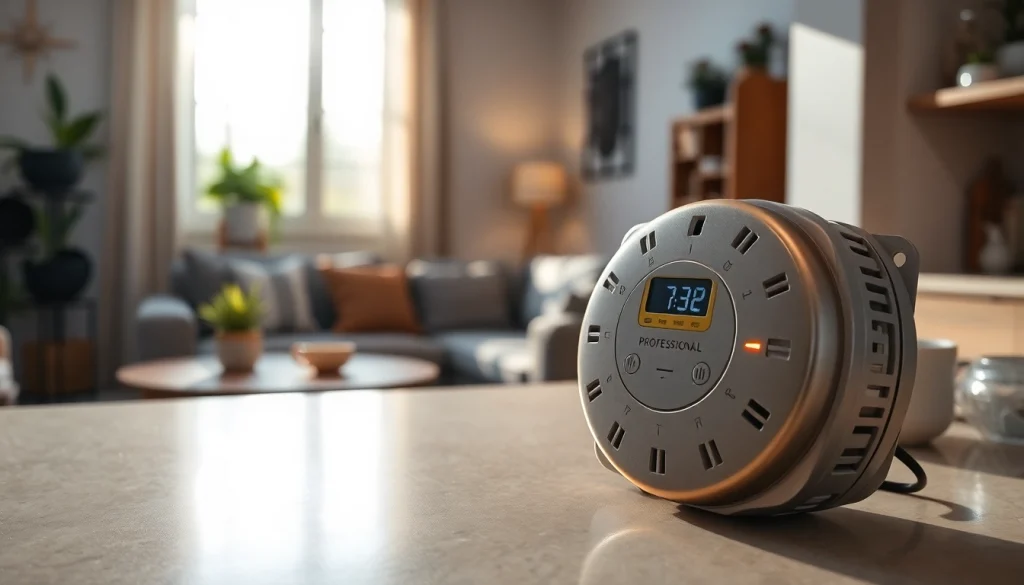

Introduction to Carbon Monoxide Detectors
Air quality is a crucial aspect of health and safety in our homes. Among the various environmental hazards that can endanger our well-being, carbon monoxide (CO) is particularly insidious. It’s a colorless, odorless gas produced by burning fuel, and exposure can have severe consequences. The importance of a carbon monoxide detector beeping cannot be understated. These devices are designed to detect dangerous levels of carbon monoxide, alerting occupants to possible threats to their health and safety.
What is a Carbon Monoxide Detector?
A carbon monoxide detector is a device specifically engineered to monitor the presence of carbon monoxide in the environment. Unlike smoke detectors, which react to particles produced by burning materials, carbon monoxide detectors are sensitive to the gas itself. These devices can be powered by batteries or plugged into wall outlets and often feature digital displays or audible alarms that signal when dangerous levels of CO are detected. Their ability to detect even low levels of the gas makes them vital for household safety.
How Do They Work?
Carbon monoxide detectors operate using various sensor technologies, the most common being electrochemical sensors. When CO enters the detector, it interacts with a chemical solution in the sensor that produces a current. This current is proportional to the amount of CO present, allowing the device to trigger an alarm when levels exceed a certain threshold. Other technologies include metal oxide semiconductor sensors and biometric sensors, each with its unique operational principles. Regular testing and maintenance of these systems ensure they function correctly and provide accurate readings.
Importance of Carbon Monoxide Detectors
The significance of carbon monoxide detectors cannot be emphasized enough. CO is often referred to as the “silent killer” due to its stealthy nature; many victims are unaware of their exposure until it’s too late. In households with gas appliances, wood stoves, or vehicles, the potential for CO accumulation is heightened, especially in poorly ventilated spaces. Installing working carbon monoxide detectors significantly reduces the risk of CO poisoning and enhances overall safety.
Common Causes of Carbon Monoxide Detector Beeping
Hearing your carbon monoxide detector beep can be alarming. Understanding the reasons behind the beeping is crucial for taking appropriate action and ensuring safety in your home. Here are the most common causes of a carbon monoxide detector beeping.
Low Battery Signals
One of the most prevalent reasons for a carbon monoxide detector’s beeping is a low battery. Most battery-powered detectors are designed to emit a series of chirps or beeps to alert users that the battery needs replacement. This safety feature ensures that the detector remains functional and can detect carbon monoxide effectively. Regularly checking and replacing batteries (typically every 6 months or as recommended) can prevent unnecessary alarms.
Malfunctioning Sensors
Malfunctioning sensors can cause false alarms, leading to unnecessary panic. Factors contributing to sensor malfunction may include aging components, dirt buildup, or environmental conditions affecting performance. If your detector continues to beep without any evidence of CO presence, it’s essential to check for irregularities in its operation and consult the manufacturer’s guidelines for troubleshooting or replacing the device.
Environmental Factors Affecting Performance
Environmental conditions can influence the effectiveness of carbon monoxide detectors. High humidity, extreme temperatures, or contaminants in the air can affect performance and lead to erroneous alarms. Additionally, if a detector is installed in a location that does not allow for optimal airflow (e.g., near vents or in poorly ventilated areas), it might not function as intended. Understanding these conditions can help you maintain the effectiveness of your detectors.
Responding to Carbon Monoxide Detector Beeping
When your carbon monoxide detector starts beeping, knowing how to respond is critical. Here’s a step-by-step guide on what to do during such an event.
Immediate Actions to Take
Upon hearing the alarm from your carbon monoxide detector, you should immediately evacuate everyone from the area, especially children and pets. Do not ignore the alarm; it could be an indication of dangerous CO levels in the home. Once outside, call emergency services or your local fire department to report the alarm and seek assistance. Only re-enter the premises when you receive clearance from professionals.
Investigating Potential CO Sources
Once the immediate danger has been addressed, it’s important to investigate the source of the CO if it was indeed present. Common sources include malfunctioning furnaces, water heaters, stoves, and cars running in attached garages. Inspecting these appliances and ensuring they are functioning correctly can prevent future alarms. Hiring a qualified technician for periodic maintenance is also advisable to catch potential issues before they escalate.
When to Call Professionals
If the carbon monoxide detector continues to beep after replacing the battery or if you suspect a gas leak, it’s crucial to call professionals. This includes situations where you have experienced symptoms of carbon monoxide poisoning, such as headache, dizziness, or confusion. Emergency responders will attempt to diagnose the situation and ensure your safety, which may involve checking appliances, and air quality, or even performing necessary repairs.
Maintaining Your Carbon Monoxide Detector
To ensure optimal performance of your carbon monoxide detector, regular maintenance is essential. This can help prevent false alarms and ensure the device responds correctly when CO levels rise.
Testing Your Detector
Most detectors come equipped with a test button. It is advisable to test your carbon monoxide detector at least once a month to ensure that it is functioning right. If the alarm sounds, the device is operational. If it does not sound, replace the batteries and test it again. This simple check could save lives in emergency situations.
Replacing Batteries and Units
Moreover, battery replacement should be undertaken every six months or as recommended by the manufacturer. Full replacement of the carbon monoxide detector itself is usually advised every 5 to 7 years, depending on the model. Be sure to check for specific instructions and adhere to them to maintain your unit’s functionality and guarantee your safety.
Best Locations for Installation
Where you install your carbon monoxide detectors significantly affects their efficacy. They should be placed outside each sleeping area and on every level of the home, including basements. Since CO is slightly lighter than air, detectors should also be mounted at least 5 feet off the ground. Avoid placing them near windows, vents, or humid locations like bathrooms that may cause false alarms.
FAQs about Carbon Monoxide Detectors
What should I do if my detector keeps beeping?
If your carbon monoxide detector keeps beeping, first check the battery. Replace it if low, and if it continues, call emergency services.
How often should I replace my carbon monoxide detector?
Typically, carbon monoxide detectors should be replaced every 5 to 7 years. Check the manufacturer’s instructions for specific guidelines.
Can I install a carbon monoxide detector myself?
Yes, carbon monoxide detectors can often be installed by the homeowner, but it’s essential to follow the manufacturer’s instructions for placement.
What does it mean when the detector beeps intermittently?
Intermittent beeping usually indicates a low battery or that the device needs maintenance. Check the manual for specific guidance.
Is carbon monoxide detector beeping harmful?
The beeping itself is not harmful, but it signals a problem that could lead to dangerous CO levels. Address it immediately to ensure safety.