Understanding Colonial Home Renovation
What is Colonial Home Renovation?
Colonial home renovation refers to the process of updating and improving Colonial-style residences while preserving their historic charm and architectural integrity. This trend is gaining popularity as homeowners recognize the need to modernize their living spaces with contemporary amenities without sacrificing the traditional aesthetics that define Colonial architecture. By focusing on key structural elements and design principles, homeowners can maintain the historical essence of their homes while enhancing their functionality and comfort. Those interested in embracing such projects often seek colonial home renovation specialists to guide them through the process, ensuring a perfect blend of old-world charm and modern sophistication.
Historical Significance of Colonial Architecture
Colonial architecture reflects the historical and cultural influences of the time periods when these homes were built. Originating in the 17th and 18th centuries, Colonial buildings embody the craftsmanship of the early settlers in America influenced by European styles. These homes often feature symmetrical designs, gable roofs, and traditional materials like wood and brick. The significance of Colonial architecture extends beyond aesthetics; it encapsulates the social and economic trajectories of early American life, serving as a reminder of the nation’s heritage. Understanding these historical contexts is essential for homeowners engaging in renovation efforts, as it informs decisions about what elements to retain or modify.
Key Elements of Colonial Design
When embarking on a Colonial home renovation, several key design elements are essential to maintain authenticity. These include:
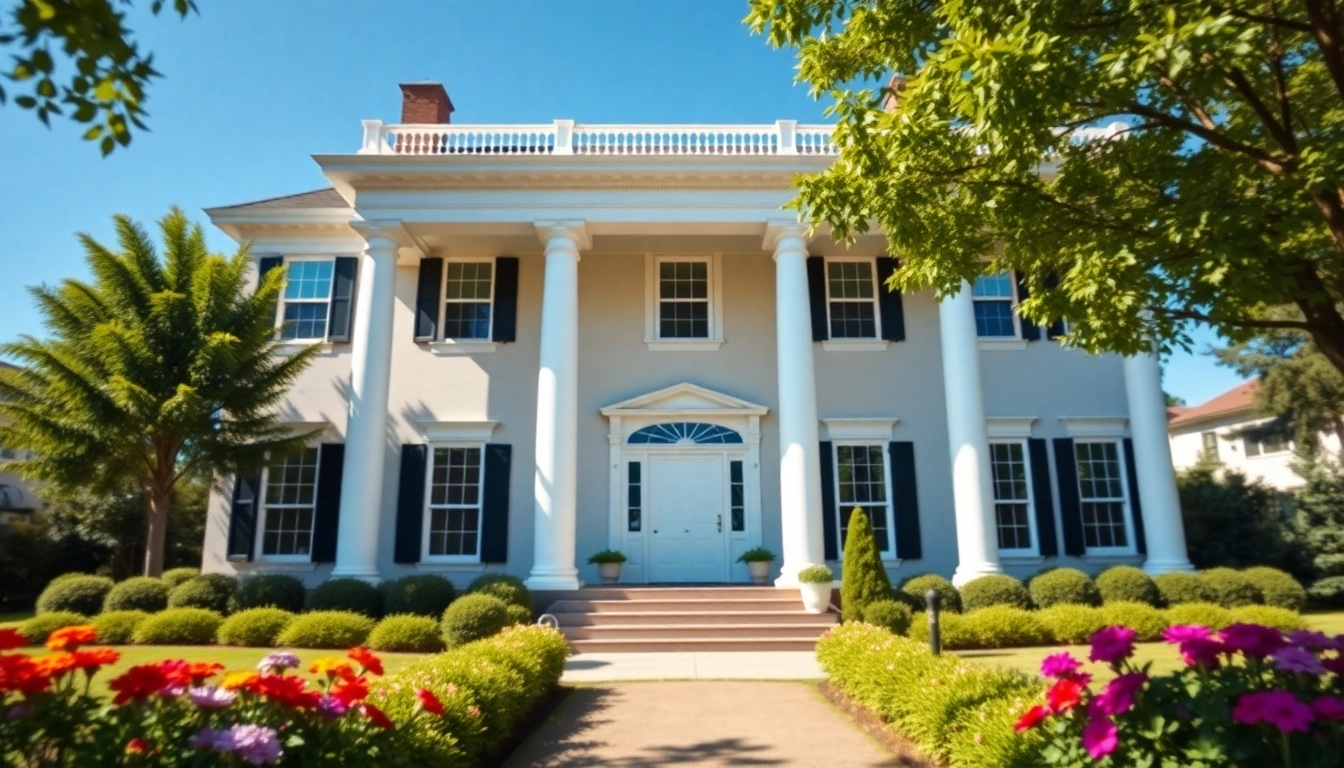
- Symmetrical Facades: Colonial homes typically have a balanced architectural design with aligned windows and doors, often centered around a prominent entrance.
- Gabled Rooflines: These classic roofs feature steep pitches and are often adorned with decorative elements, contributing to the overall silhouette of the home.
- Traditional Materials: Wood siding, brick, and stone are commonly used, enhancing durability and authenticity.
- Fireplaces: Central to Colonial homes, fireplaces serve not only a functional purpose but also act as focal points in living spaces.
Planning Your Colonial Home Renovation
Assessing Your Home's Structure
The first step in any renovation project is a thorough assessment of the existing structure. Homeowners should evaluate the foundation, roof, windows, and walls, looking for any signs of damage, wear, or necessary updates. Structural integrity is paramount, particularly in Colonial homes, where age-related issues can significantly impact safety and aesthetics. Hiring a professional home inspector or contractor can provide insights into the necessary repairs and structural reinforcements needed before any cosmetic changes are considered.
Setting a Realistic Budget
Crafting a detailed budget is crucial for a successful renovation. This involves not only estimating costs for materials and labor but also accounting for unexpected expenses that may arise during the project. Homeowners should prioritize their renovation goals, distinguishing between must-do and nice-to-have changes, to allocate funds effectively. Consulting with professionals who have experience in Colonial home renovation can also provide valuable input on cost-effective solutions that align with historical integrity.
Collaborating with Professionals
A successful Colonial home renovation often necessitates the expertise of various professionals, including architects, designers, and contractors. Engaging with architects who specialize in historical renovations can ensure that the project honors the original design while integrating modern elements. Collaboration with these experts allows homeowners to access invaluable insights into materials, techniques, and design trends that reinforce the character of Colonial architecture, ensuring the renovation story flows seamlessly from past to present.
Common Challenges in Colonial Home Renovation
Preserving Authenticity vs. Modernization
One of the most significant challenges faced during Colonial home renovation is the balance between preserving authenticity and integrating modern amenities. Homeowners often struggle with the desire to modernize their living space while maintaining the home's historical charm. This dilemma can be managed by making informed design choices that respect the original architecture while subtly updating essential areas like kitchens and bathrooms. For instance, selecting period-appropriate appliances can provide functionality without compromising on style.
Navigating Building Codes and Regulations
Each municipality has specific building codes and historical preservation regulations that must be adhered to during renovations. Homeowners engaging in Colonial home renovation must be diligent in understanding relevant laws regarding structural changes, material use, and façade alterations. This might require obtaining specific permits or guidance from local governing bodies. Consulting with professionals who are familiar with these regulations can streamline the approval process and help avoid potential legal issues.
Managing Project Timelines
Renovation projects often run into scheduling challenges, particularly with Colonial homes that may reveal unexpected issues during the renovation process. Homeowners should develop a flexible project timeline that accounts for possible delays, such as weather impacts or the need for additional inspections. Regular communication with contractors and timely decision-making can help keep the project progressing smoothly and minimize disruptions.
Incorporating Modern Amenities
Blending Smart Home Features
Today's homeowners seek the comforts of modern technology while valuing historical design. Smart home technology can seamlessly blend into Colonial homes when carefully integrated. Options include smart thermostats, lighting systems, and security features that can be specified to complement the home’s aesthetics without being obtrusive. Incorporating these modern amenities offers convenience while enhancing the property's value and efficiency.
Energy Efficiency Improvements
As energy efficiency becomes increasingly important, homeowners are challenged to retrofit older designs with modern insulation, windows, and systems. Utilizing energy-efficient windows and proper insulation techniques not only reduces energy consumption but can also be tailored to adhere to historical guidelines. Upgrading heating and cooling systems with modern, energy-efficient options that fit within the architectural framework allows owners to maintain comfort without detracting from the charm of their Colonial homes.
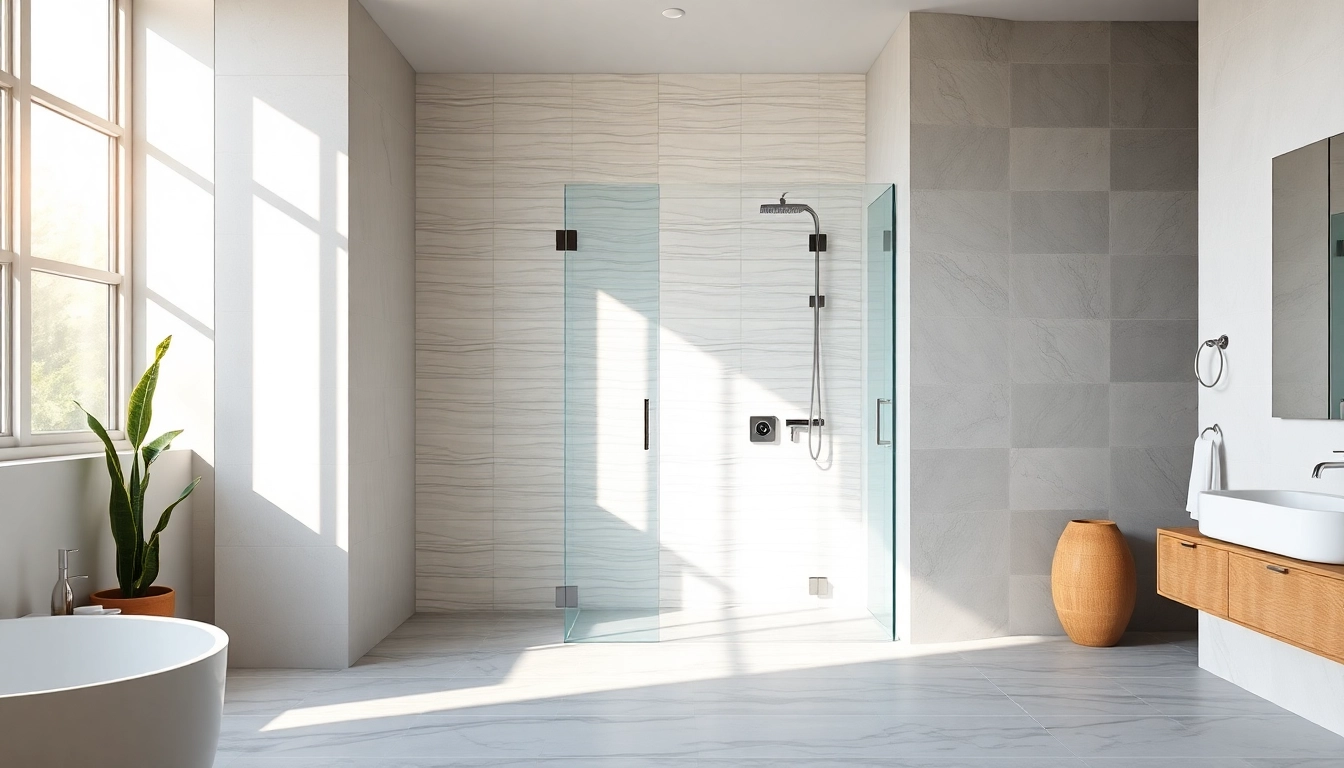
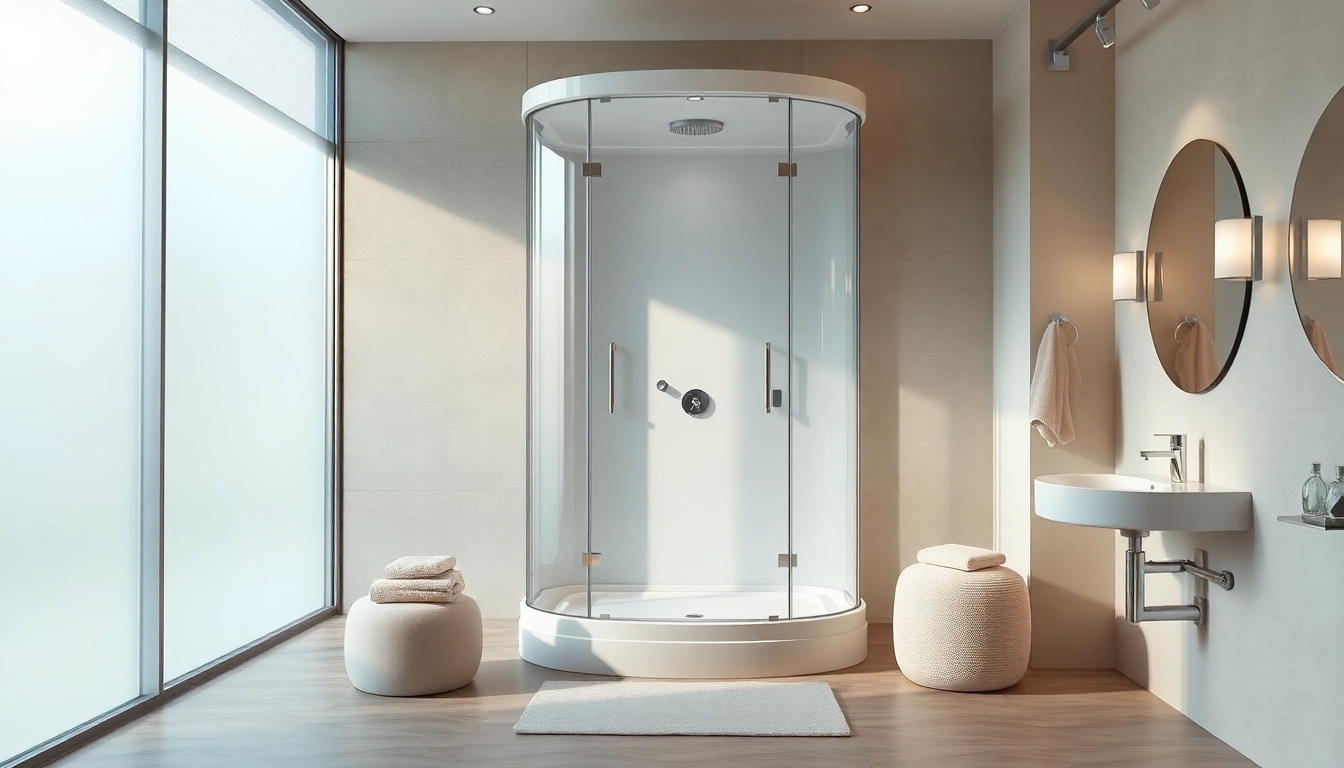
Upgrading Kitchen and Bathroom Spaces
Kitchen and bathroom renovations offer a significant opportunity for modernization in Colonial homes, often resulting in increased functionality and comfort. Upgrading these spaces while preserving their traditional elements involves selecting materials and fixtures that reflect the Colonial style. Custom cabinetry, period-specific fixtures, and classic color palettes can retain authenticity while delivering the conveniences of today's lifestyles.
Measuring Success in Colonial Home Renovation
Evaluating Aesthetic and Functional Outcomes
Success in Colonial home renovation can be assessed through a combination of aesthetic appeal and functional performance. Homeowners should evaluate whether the renovated spaces align with their initial vision, maintain historical integrity, and improve overall livability. This may involve gathering feedback from family members and assessing daily life benefits that arise from the updates.
Post-Renovation Inspection Checklist
A thorough inspection checklist is a practical tool for indicating successful renovations. This checklist should include evaluations of all aspects of the home, including structural integrity, updated systems, and aesthetic components. Homeowners are encouraged to engage professionals for a final walkthrough to ensure everything meets safety codes, integrates well with existing features, and fulfills the renovation objectives.
Gathering Feedback from Residents
Feedback from residents is integral in assessing a renovation’s success. Conducting discussions with family members about their experiences in the newly renovated spaces can uncover valuable insights and highlight any areas for further improvement. Understanding how the renovations have positively or negatively impacted daily life empowers homeowners to make future adjustments that enhance both comfort and enjoyment.
FAQs About Colonial Home Renovation
What is the cost range for a Colonial home renovation?
The cost can vary widely based on the extent of the project. On average, homeowners can expect renovation costs to range from $100 to $300 per square foot.
How can I maintain my home's historical integrity during renovations?
Consulting with professionals who specialize in historical architecture can help ensure that original design elements are preserved and restored appropriately.
Is it possible to modernize a Colonial home without losing its charm?
Yes, integrating modern amenities in a respectful manner allows for enhanced functionality while preserving classic design elements.
Are there specific materials recommended for Colonial renovations?
Using traditional materials such as wood, brick, and stone can effectively preserve the home's authenticity while ensuring durability.
How long does a typical Colonial home renovation take?
The duration varies based on the project's scope, but most renovations can take anywhere from a few months to over a year to complete.