Overview of the Sandakphu Trek
Introduction to Sandakphu Trek
The sandakphu trek is a remarkable journey that introduces trekkers to the grandeur of the Himalayas. It is renowned for offering stunning views of some of the world’s highest peaks, including Mount Everest and Kangchenjunga. Nestled in West Bengal, the Sandakphu trek is not just an adventure; it embodies the essence of natural beauty and cultural richness. This trek has been attracting adventurers and nature enthusiasts alike, providing an extraordinary opportunity to immerse oneself in the scenic splendor of the region.
Geography and Scenic Beauty
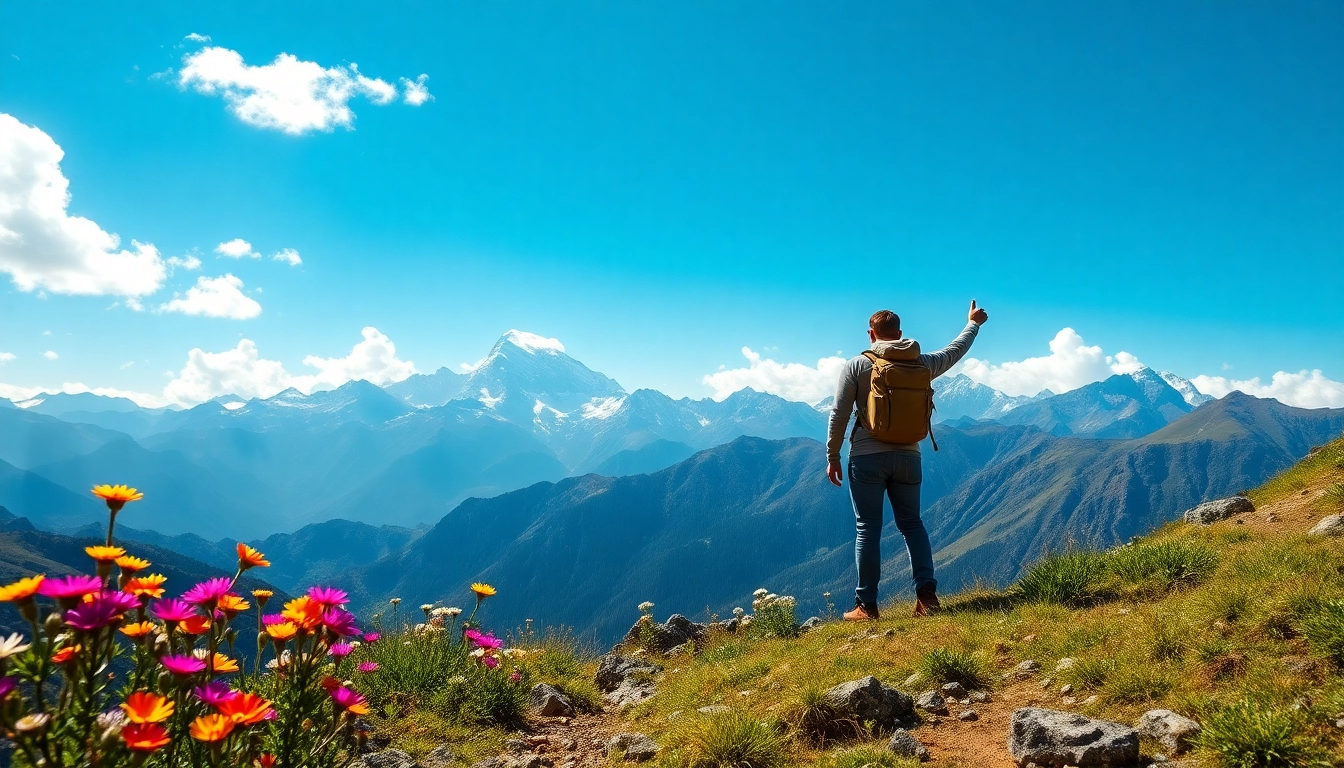
The Sandakphu trek spans approximately 65 kilometers and traverses diverse landscapes ranging from dense forests to sprawling meadows and rocky ridges. The trail offers breathtaking views of the Sleeping Buddha, a scenic panorama that includes four of the world’s five highest peaks. The ecosystem is rich, with a plethora of flora and fauna, including rhododendrons that bloom in vibrant colors during the trekking seasons. Along the way, pristine alpine scenery, picturesque villages, and the serene atmosphere create a unique trekking experience that resonates with trekkers deeply.
Best Time to Trek Sandakphu
The ideal time for the Sandakphu trek is during the spring (March to April) and autumn (October to November) seasons, when the weather is generally clear, offering optimal visibility for mountain views. The days are warm and sunlit, while the nights can be chilly, making it necessary for trekkers to prepare accordingly. While summer can bring some rainfall, it introduces lush greenery, while winter trekking can be a challenge due to snow, appealing primarily to seasoned trekkers.
Route and Itinerary
Day-by-Day Breakdown
The Sandakphu trek typically spans over 6 days, with each day featuring distinct scenic highlights and challenges. Here’s a typical breakdown of the itinerary:
- Day 1: Manebhanjan to Tumling (9 km, 3-4 hours) The trek commences from Manebhanjan, taking you through lush forests and scenic views, culminating in Tumling, where trekkers are greeted with panoramic mountain ranges.
- Day 2: Tumling to Kalipokhri (12 km, 4-5 hours) The journey continues through the Singalila National Park, adorned with diverse wildlife and vibrant flora, ending at Kalipokhri, known for its black-water lake.
- Day 3: Kalipokhri to Sandakphu (7 km, 3-4 hours) The trek reaches Sandakphu, the highest point, offering breathtaking views of Everest, Kanchenjunga, and the surrounding peaks.
- Day 4: Sandakphu to Phalut (20 km, 7-8 hours) A long and exhilarating trek, this day offers some of the best views of the viridescent valleys and snow-capped peaks, ending at Phalut.
- Day 5: Phalut to Ramam (12 km, 4-5 hours) The trek descends gradually, showcasing breathtaking landscapes while making your way to Ramam.
- Day 6: Ramam to Manebhanjan (15 km, 6-7 hours) The final leg brings you back to Manebhanjan through airy paths, concluding this mesmerizing trek.
Alternative Routes on Sandakphu Trek
While the main route is popular, trekkers can explore alternative paths that diversify the experience. One such alternative includes the Phalut route, which allows trekkers to hike through remote sections, offering tranquil surroundings and fewer crowds. Additionally, variations can introduce treks starting from different bases like Sepi or Rimbik, enhancing accessibility and delivering unique views of the landscape.
Important Landmarks Along the Trek
The trek showcases several significant landmarks that enrich the journey:
- Sandakphu Peak: The apex of the trek providing stunning views of four major peaks - Everest, Kanchenjunga, Lhotse, and Makalu.
- Phalut: Offers a more remote location with panoramic views along with spiritual significance among trekkers.
- Singalila National Park: A biodiversity hotspot with opportunities to witness rare wildlife.
- Kalipokhri Lake: The tranquil black-water lake providing a serene resting spot for trekkers.
- Local Villages: Charming villages like Tumling and Tonglu provide insights into local culture and hospitality.
Trek Difficulty and Preparation
Assessing the Trek Difficulty Level
The Sandakphu trek is generally rated as moderate. While it does pose some challenges, including long hiking hours and variable weather, it lacks extreme climbs that can deter novice trekkers. Adequate physical fitness is essential, especially for stretches that include sustained ascents and descents.
Essential Gear for Sandakphu Trek
Preparing for the trek requires careful selection of gear optimized for high-altitude trekking. Essential items include:
- Footwear: Sturdy, waterproof trekking boots.
- Clothing: Layered clothing to manage temperature shifts, including thermal innerwear, waterproof jackets, and insulated jackets.
- Backpack: A comfortable daypack to carry essentials.
- Sleeping Bag: A warm, compact sleeping bag suitable for colder temperatures.
- First-Aid Kit: Basic medical supplies for minor injuries and health issues.
Fitness Requirements and Training
Engaging in pre-trek training is beneficial for success on the Sandakphu trek. A fitness routine including cardiovascular exercises, strength training, and hiking practice on varied terrain will prepare trekkers. It’s recommended to include hikes with elevation gain to simulate trekking conditions.
Safety Tips for Trekkers
Understanding Weather Patterns
Weather conditions in the Sandakphu region can change rapidly. Trekkers should check forecasts before setting out and prepare for sun, rain, or snow. Familiarizing oneself with local conditions can enhance safety and ensure a smoother trekking experience.
Health Precautions for High Altitudes
Altitude sickness is a significant concern for trekkers; hence, acclimatization is vital. Ascending gradually and staying hydrated can mitigate risks. Trekkers should monitor their health and be alert to symptoms like headaches, nausea, and fatigue.
Emergency Contacts and Guidelines
Keeping emergency contacts accessible, knowing the nearest medical facilities, and having a guide who understands the trails and any emergency situations is essential for safety. Be aware of the nearest village and preferring group treks can enhance security.
FAQs About the Sandakphu Trek
How difficult is the Sandakphu trek?
The Sandakphu trek is rated as moderate. While it has some challenging sections, the slopes are manageable, making it suitable for trekkers with average fitness levels.
Which month is best for the Sandakphu trek?
The best months are March, April, October, and November. These months offer clear views and favorable weather conditions for trekkers to enjoy the stunning landscapes.
Can beginners undertake the Sandakphu trek?
Yes, the trek is suitable for beginners who are physically fit and prepared for moderate hikes. The route is doable with proper training.
Can I see Mount Everest from Sandakphu?
Yes, Sandakphu provides breathtaking views of Mount Everest along with other towering peaks like Kangchenjunga, making it a striking vantage point.
What should I pack for the Sandakphu trek?
Key items include lightweight trekking boots, layered clothing, a suitable backpack, sleeping bag, first-aid kit, and plenty of water. Proper gear is essential for comfort and safety.