The Rise of Long Island Wines
Long Island, a picturesque region known for its beautiful beaches and charming villages, has also emerged as a notable player in the wine industry. Over the past few decades, the vineyards of Long Island have gained significant recognition for producing high-quality wines that rival those from more established wine regions. In 2026, Long island wines are not only becoming a favourite among local enthusiasts but also capturing the attention of international wine lovers. As this region continues to develop its unique identity in the wine world, understanding its historical context, geographical diversity, and climatic influences is essential for the full appreciation of its offerings.
Historical Overview of Long Island Wine Production
Wine production on Long Island began in the late 20th century, significantly influenced by the region's climate and soil conditions. The first established vineyard, Hargrave Vineyard, opened its doors in 1973, marking the beginning of a new era for the local agricultural landscape. This pioneering spirit has led to the establishment of over 60 wineries, creating a vibrant wine culture that has been nurtured over the years.
While some might consider Long Island a newcomer to the wine scene, its rich agricultural history can be traced back to the early colonial days. The early settlers grew various crops, and winemaking began to take root as the region's potential was realised. However, it wasn't until the 1980s and '90s that the industry truly began to flourish, spurred by a desire to create wines that express the terroir of Long Island.
Key Regions Within Long Island's Wine Country
Long Island's wine country boasts several key regions, each with its own unique characteristics. The North Fork, often viewed as the heart of Long Island's wine production, is known for its diverse terroir that allows a wide variety of grape types to flourish. The vineyards here benefit from a combination of rich, sandy loam soils and moderate temperatures, leading to the production of exceptional red and white wines.
In contrast, the Hamptons features a different climate due to its southern exposure, which tends to yield wines with more fruit-forward profiles. This area primarily focuses on premium whites, particularly Sauvignon Blanc and Chardonnay, which thrive under the region's unique conditions. Understanding the distinct regions is crucial for any wine enthusiast looking to explore the depth and diversity of Long Island wines.
Impact of Climate on Wine Quality in 2026
As we look towards 2026, the climate continues to play a vital role in shaping the quality of Long Island wines. The region benefits from a maritime climate, which moderates temperature fluctuations and provides ample sunlight during the growing season. This results in grapes that achieve optimal ripeness without excessive sugar levels, allowing for balanced wines with complex flavour profiles.
However, climate change is posing challenges, with severe weather patterns impacting yield and quality. Wineries are increasingly adapting to these changes through innovative agricultural practices, such as implementing cover crops to protect soil health and investing in technology to monitor vineyard conditions.
Understanding the Varietals of Long Island Wines
Popular Grape Varieties Grown on Long Island
Long Island is home to an impressive array of grape varieties. While Cabernet Sauvignon and Merlot dominate the red wine category, producing bold and structured wines, the region has also carved a niche for itself with lesser-known varietals. For instance, the Petit Verdot grape is increasingly gaining popularity, known for adding depth and richness to blends.
In whites, Chancellor and Viognier are making a name for themselves due to their expressive aromas and ability to adapt well to the local climate. The region's emphasis on diverse varietal planting facilitates a rich tapestry of wine styles, catering to various palates.
Unique Flavours and Characteristics of Local Wines
The unique characteristics of Long Island wines stem from its diverse terroir and microclimates. Cabernet Franc, another prominent varietal, often showcases herbal notes and bright acidity, making it an excellent candidate for blending. The whites typically exhibit crisp acidity paired with vibrant fruit flavours, particularly in Sauvignon Blanc, which is often described as zesty and refreshing.
Consumers can expect a flavour journey that reflects the uniqueness of the region, with many wines highlighting notes of ripe fruit, minerality, and herbaceous aromas that are distinctive to Long Island’s vineyards.
Pairing Long Island Wines with Regional Cuisine
One of the joys of enjoying Long Island wines is discovering how well they complement local cuisine. The region is known for its fresh seafood, and pairing a chilled Sauvignon Blanc with locally-caught fish is a match made in heaven. Similarly, a robust Merlot can elevate a meal featuring grilled lamb or hearty stews, balancing the richness of the dishes.
Moreover, many wineries host events that celebrate this synergy, where guests can experience curated tasting menus that highlight the best of Long Island's wines and culinary offerings.
Exploring Long Island Wine Tasting Experiences
Top Vineyards and Wineries to Visit in 2026
In 2026, visitors to Long Island will find no shortage of exceptional vineyards and wineries to explore. Some of the standout destinations include Wolffer Estate Vineyard, renowned for its stunning views and elegant wines, and Bedell Cellars, which emphasises sustainable practices and terroir-driven varietals. Each venue offers a unique tasting experience, complete with tours, educational sessions, and world-class hospitality.
Another noteworthy mention is the Martha Clara Vineyards, where guests can enjoy the scenic beauty of the North Fork while sampling a diverse selection of wines. These destinations collectively contribute to making Long Island a must-visit for wine enthusiasts.
Guided Wine Tours: What to Expect
Opting for a guided wine tour can enhance the experience of exploring Long Island's wineries. These tours typically include transportation, which allows visitors to indulge in tastings without the worry of driving. A knowledgeable guide will often share insights into the history and winemaking practices of each vineyard.
Many tours are designed to showcase specific themes, such as organic practices or pairing wines with local dishes, offering a tailored experience that caters to individual interests.
Creating Your Own Wine Tasting Events
For those looking to create a memorable wine tasting event, Long Island offers ample opportunity. Host a gathering at home featuring Long Island wines, encouraging guests to sample a variety of offerings while discussing their flavour profiles. Collaborate with a local caterer to pair each wine with complementary dishes, enhancing the experience. Additionally, consider arranging a custom tasting session at a vineyard for a more immersive experience.
Long Island Wines in the Market
Trends in Consumer Preferences for Long Island Wines
As consumers become more educated about wine, preferences are shifting towards local and sustainably produced options. In 2026, there is a notable increase in demand for Long Island wines, driven by an embrace of local products and a growing appreciation for the unique flavours that the region has to offer. Wine drinkers are opting for brands that prioritise quality over quantity, often seeking out limited-production wines that tell a story of their origin.
Effect of Tourism on Local Wine Sales
Tourism has a significant impact on the sales of Long Island wines, with visitors flocking to the region to experience its wine culture firsthand. Wine tourism is a vital economic driver, encouraging the establishment of new wineries and the expansion of existing ones. Festivals, events, and tasting rooms draw in both local and international visitors, resulting in growing sales for Long Island wines.
Challenges Faced by Long Island Wineries
Despite the successes, Long Island wineries face challenges that could impact their growth. Climate change poses a threat, as shifting weather patterns could disrupt grape growing cycles. Additionally, competition from other wine regions, particularly in the international market, creates pressure to maintain high standards while innovating.
Further, the cost of land and production continues to rise, putting strains on smaller wineries. Addressing these challenges will be critical for the future sustainability of Long Island's wine industry.
Future Trends in Long Island Winemaking
Sustainable Practices in Long Island Vineyards
A growing commitment to sustainability is shaping the future of Long Island winemaking. Vineyards are increasingly adopting practices that protect the environment, such as organic farming and biodiversity initiatives. These practices not only reduce the ecological footprint of winemaking but also enhance the quality of the fruit produced, leading to better wines.
Many wineries are participating in sustainability certifications, demonstrating their commitment to responsible practices, which resonates well with consumers who prioritise environmentally-friendly options.
Innovations in Wine Production Techniques
As the industry evolves, so too does the technology used in wine production. From precision viticulture to the use of artificial intelligence for monitoring vineyard health, innovations are becoming more common. Wineries are embracing technology to improve efficiency and quality, enabling them to produce wines that reflect the region's terroir in new and exciting ways.
Predictions for Long Island Wines Beyond 2026
Looking ahead, Long Island wines are poised for further growth and recognition on the global stage. With ongoing investments in vineyard management and wine production techniques, the quality of wines is expected to improve continually. As consumers become increasingly aware of the region’s offerings, we anticipate a surge in popularity, making Long Island a significant contender in the wine world.
What are the best Long Island wines to try?
Some top picks include Wolffer Estate’s Rosé, renowned for its crispness and elegance, and Bedell Cellars’ Cabernet Sauvignon, offering rich fruit flavours and complexity. Each vineyard has its unique styles and signature wines worth exploring.
How does Long Island's climate affect its wines?
The maritime climate of Long Island moderates temperatures, providing a long growing season that contributes to balanced grape ripening, crucial for producing high-quality wines. The proximity to the ocean also helps mitigate the risk of frost and allows for better moisture retention in the soil.
What unique experiences do Long Island wineries offer?
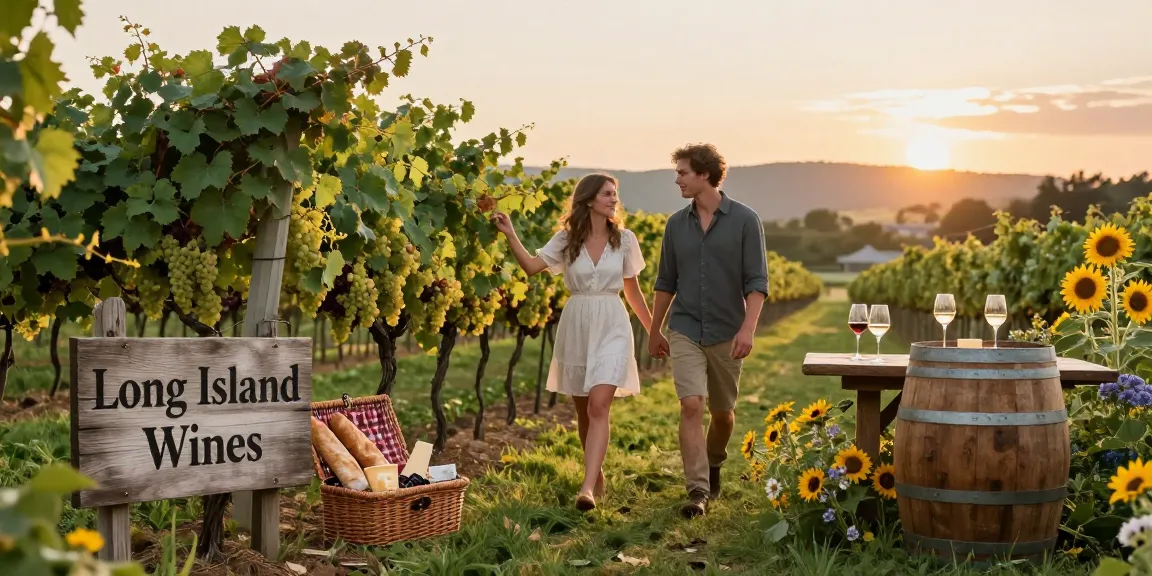
Wineries often host exclusive events, such as sunset wine tastings, vineyard tours, and farm-to-table dinners. Many also offer educational workshops on winemaking or food pairings, creating a rich experience for visitors.
Are there any sustainable wineries in Long Island?
Yes, many Long Island wineries are committed to sustainable practices. For instance, wineries like Shinn Estate Vineyards and Peconic Bay Winery focus on organic farming and environmentally responsible practices, reflecting the region's dedication to sustainability.
How can I organise a wine tour in Long Island?
To organise a wine tour, start by choosing the wineries you wish to visit. Consider booking a guided tour service that can provide transportation and insights into the region’s wine culture. It’s also a good idea to check for any special events or tastings happening at the time of your visit.