
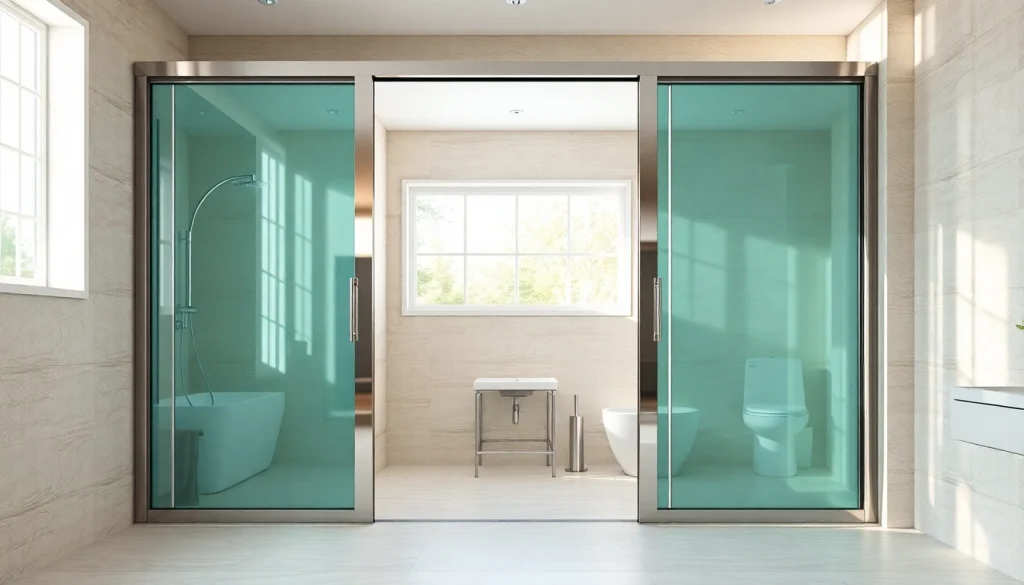

Understanding Sliding Shower Doors
What Are Sliding Shower Doors?
Sliding shower doors, also known as bypass doors, are a popular choice in modern bathrooms due to their functionality and aesthetic appeal. Unlike traditional hinged doors that swing open, sliding doors glide along a track, allowing for easy access to the shower without requiring additional space. This design is particularly beneficial in smaller bathrooms where space is at a premium. Sliding shower doors come in various designs and materials, making them versatile for differing styles and preferences.
Benefits of Sliding Shower Doors
There are numerous advantages to choosing sliding shower doors for your bathroom. Firstly, their space-saving design helps maximize the available area. Unlike traditional doors, which can encroach on your bathroom’s footprint, sliding doors seamlessly operate within the confines of their space. This is particularly advantageous in compact bathrooms.
In addition to efficiency, sliding shower doors offer a sleek, modern look that can enhance the overall aesthetics of a bathroom. They can be customized with various glass types, including clear, frosted, and tinted options, allowing you to create an inviting atmosphere.
Furthermore, sliding doors are often easier to maintain than their hinged counterparts. The minimal hardware typically required means fewer crevices for dirt and grime to accumulate, leading to less frequent cleaning. Many designs also feature materials that resist corrosion and staining, thus prolonging their life expectancy.
Common Materials Used in Sliding Shower Doors
The materials used in sliding shower doors significantly affect their appearance, durability, and maintenance. Here are the most common materials:
- Glass: Glass is a popular choice because it offers transparency and openness. Options range from tempered safety glass, which is shatter-resistant, to low-iron glass, which provides a crystal-clear appearance.
- Acrylic: Acrylic is a lightweight, cheaper option that mimics the look of glass while being less prone to shattering. It’s available in various colors and is easier to clean.
- Aluminum: Often used in the framing of sliding shower doors, aluminum is lightweight, resistant to rust, and can be finished in various colors for aesthetic appeal.
- Vinyl: Vinyl doors are another economical choice that is water-resistant and easy to maintain. They come in various styles and can mimic the look of glass.
Choosing the Right Sliding Shower Doors
Factors to Consider Before Purchase
Selecting the right sliding shower doors involves considering various factors to ensure they meet your needs and style preferences. Key considerations include:
- Space: Assess the dimensions of your bathroom to determine the ideal size and configuration of sliding doors.
- Style: Choose between framed, semi-framed, or frameless styles based on your aesthetic preferences and existing bathroom fittings.
- Glass Type: Decide on the level of transparency you require; frosted glass provides privacy, whereas clear glass can create an illusion of a larger space.
Measure Your Bathroom Space for Perfect Fit
Accurate measurements are essential when selecting sliding shower doors. Here’s a simple guide on how to measure:
- Measure the width of the shower opening at the top, middle, and bottom to determine the average width.
- Measure the height from the threshold of the shower to the ceiling.
- Check the depth of the shower area, which will help in assessing the best design and configuration.
- Consider any obstructions, such as pipes or fixtures, that might interfere with the door’s operation.
Style Variations and Design Options
Sliding shower doors come in various styles and designs to match your bathroom’s decor. You can opt for:
- Framed Sliding Doors: These have a metal frame around the glass, providing additional support and making them more affordable.
- Semi-Frameless Doors: Combining the sleek look of frameless doors with some support from framing, they strike an excellent balance between price and aesthetics.
- Frameless Sliding Doors: Offering an uninterrupted view and a modern aesthetic, frameless doors often come with thicker glass for durability.
Additionally, customization options such as etched designs or colored glass can further enhance visual appeal, helping you create a truly unique shower space.
Installation Process for Sliding Shower Doors
DIY vs. Professional Installation: Pros and Cons
When considering installation, you have the option of tackling the project yourself or hiring a professional. Here are the pros and cons:
DIY Installation
- Pros: Cost-effective, rewarding process, allows for complete control over the installation.
- Cons: Requires tools and skills; mistakes can lead to improper fitting or damage.
Professional Installation
- Pros: Expertise ensures proper installation and often a warranty.
- Cons: Can be more expensive, potential delays in scheduling.
Essential Tools and Materials for Installation
Whether you choose to DIY or enlist professional help, having the right tools is critical. Essential tools include:
- Drill and drill bits
- Measuring tape
- Level
- Caulk and caulking gun
- Stud finder
- Screwdriver
Ensure you also have the necessary materials, such as shower door kits, screws, and brackets, which usually come packaged with the doors.
Step-by-Step Installation Guide
If you decide to proceed with the installation yourself, here’s a practical step-by-step guide:
- Prepare the Area: Clear the space and ensure the shower is clean and dry.
- Install the Track: Position the track according to the manufacturer’s instructions using a level for accuracy.
- Hang the Doors: Attach the rollers to the top of the doors, then lift and place them onto the track. Ensure they glide smoothly.
- Seal the Edges: Apply silicone caulk to prevent water leaks around the edges.
- Final Adjustments: Adjust the rollers for a perfect fit and ensure both doors can slide without obstruction.
Test the installation by opening and closing the doors multiple times, making any necessary adjustments.
Maintaining Your Sliding Shower Doors
Cleaning and Care Tips
To keep your sliding shower doors looking pristine, regular maintenance is required. Here are effective cleaning tips:
- Use a non-abrasive cleaner and soft cloth to avoid scratching the glass.
- Wipe down the doors after each use to prevent soap scum and mineral build-up.
- For tough stains, a mixture of vinegar and baking soda can effectively remove grime.
- Inspect and clean the tracks regularly to prevent debris buildup that can impede sliding doors.
Common Issues and How to Fix Them
Even with proper maintenance, common issues may arise with sliding shower doors. Here are some solutions:
- Doors Not Sliding Smoothly: Check the rollers and tracks for debris. Clean them and lubricate if necessary.
- Water Leaks: Ensure that the seals are intact. Replace any worn seals or reapply caulk if needed.
- Sound Noises: Noises may indicate tight or misaligned rollers. Adjust the rollers to eliminate the sound.
Long-Term Care for Durability
To ensure the longevity of your sliding shower doors, consider these long-term maintenance practices:
- Avoid harsh chemicals that can damage surfaces; opt for milder products instead.
- Inspect the rollers and tracks regularly for wear and tear, replacing components as necessary.
- Consider a protective coating for the glass to reduce the adherence of soap scum and hard water stains.
FAQs About Sliding Shower Doors
What are the benefits of sliding shower doors?
Sliding shower doors save space, enhance bathroom aesthetics, and require less maintenance compared to traditional doors.
Can sliding shower doors be installed in small bathrooms?
Yes, sliding shower doors are ideal for small bathrooms as they do not require additional space to swing open, maximizing your bathroom layout.
How do I clean and maintain my sliding shower doors?
Regularly clean with a non-abrasive cleaner, wipe dry after use, and maintain tracks and rollers to ensure smooth operation.
What materials are best for sliding shower doors?
Glass, acrylic, aluminum, and vinyl are popular options. Choose based on desired durability, aesthetics, and budget.
Are sliding shower doors safer than traditional doors?
Sliding doors can be safer as they typically use tempered glass, which is less likely to shatter, reducing injury risk.