Understanding Shower Sliding Doors
What Are Shower Sliding Doors?
Shower sliding doors are a practical and stylish solution for modern bathrooms. Designed to save space while providing easy access, these doors operate by sliding on a track, allowing for a seamless entry and exit from shower spaces. Unlike traditional hinged doors, which require ample clearance to swing open, shower sliding doors are ideal for tight bathroom layouts, making them a popular choice in both compact apartments and larger homes.
Benefits of Shower Sliding Doors
There are several compelling reasons to consider shower sliding doors for your bathroom renovation or upgrade:
- Space Efficiency: Sliding doors require less space than hinged doors, making them suitable for small bathrooms.
- Accessibility: These doors allow for easy, quick access to the shower without requiring additional room for opening.
- Modern Aesthetic: Their sleek design provides a contemporary look that enhances the overall style of the bathroom.
- Versatile Options: Available in various designs, materials, and finishes, you can easily find options that match your decor.
- Easy to Clean: Many designs feature smooth lines and surfaces that are easier to maintain, reducing dirt and mildew buildup.
Types of Shower Sliding Doors Available
When it comes to shower sliding doors, choices abound:
- Single Sliding Doors: These consist of one panel sliding over a stationary panel, ideal for small spaces.
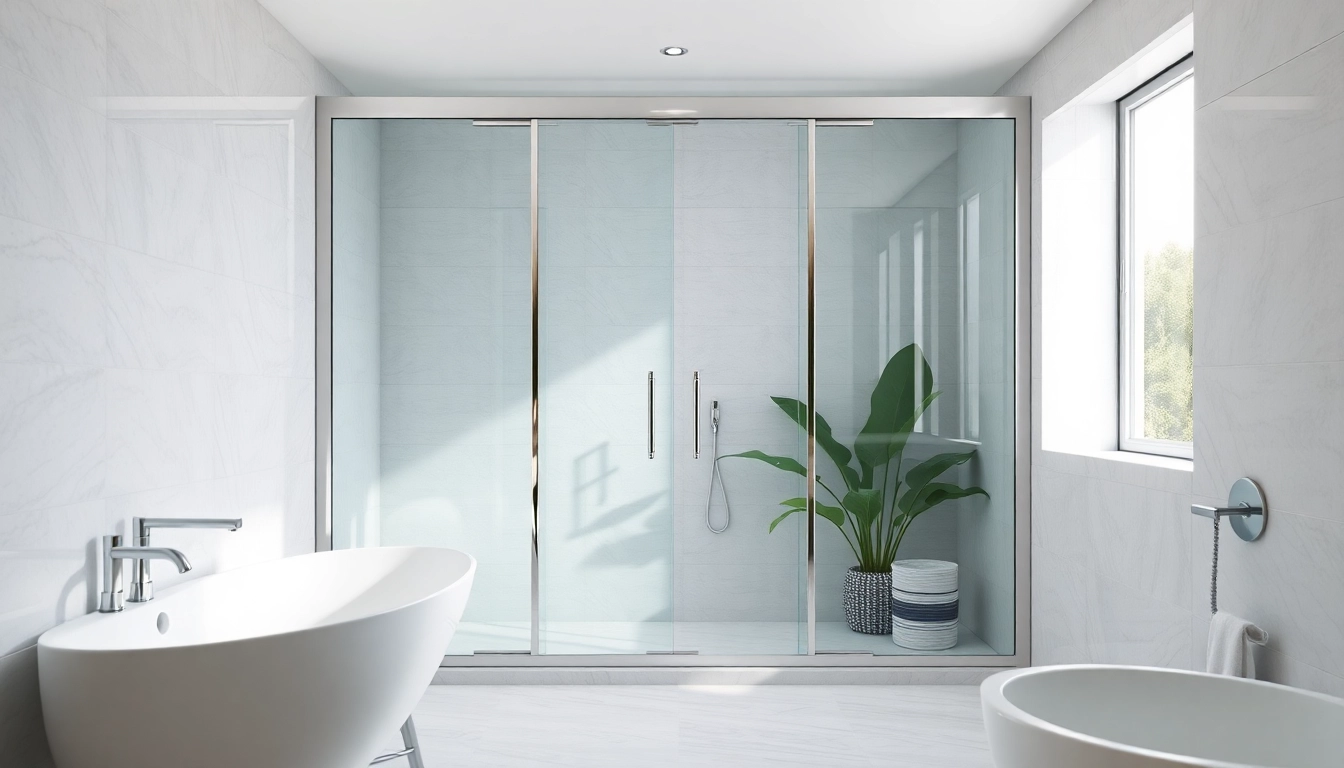
- Double Sliding Doors: Featuring two panels that slide in opposite directions, these doors require a bit more space but offer wider access.
- Bi-Fold Sliding Doors: These combine the benefits of sliding and folding, allowing access with minimal space requirements.
- Corner Sliding Doors: Perfect for corner showers, these doors slide along two walls, maximizing space usage.
Selecting the Right Material
Common Materials Used in Shower Sliding Doors
The materials used in shower sliding doors play a crucial role in functionality, aesthetics, and durability. Common choices include:
- Glass: Tempered or laminated glass is popular for its transparent appearance, allowing for light to flow through while providing a sleek look.
- Acrylic: A lightweight, impact-resistant alternative to glass, acrylic doors are less prone to shattering and come in various colors and styles.
- Vinyl: Often used in budget-friendly options, vinyl can offer decent durability and is typically more affordable but may be less aesthetically pleasing than glass.
Glass vs. Acrylic: What You Need to Know
Choosing between glass and acrylic for your shower sliding doors involves weighing benefit against preference:
- Glass: Offers a more high-end look and superior scratch resistance. It can be expensive and heavier but is a favored choice for modern designs.
- Acrylic: While less expensive and easier to install, it can scratch more easily, though it offers an extensive range of options for colors and finishes.
Durability and Maintenance Considerations
Both glass and acrylic options have specific maintenance requirements and durability considerations:
- Glass: Requires regular cleaning to prevent soap scum and hard water stains but lasts longer than acrylic if maintained properly.
- Acrylic: Requires careful cleaning to avoid scratches and may need replacement sooner than glass, depending on the quality.
Design Options for Shower Sliding Doors
Framed vs. Frameless Shower Sliding Doors
Choosing between framed and frameless options comes down to style preference and practical implications:
- Framed: Provides structured support and is typically more affordable but can look bulkier.
- Frameless: Offers an open, airy feel and is visually stunning, though it typically comes at a higher cost and may require more maintenance.
Color and Style Choices
The variety of color and style options available for shower sliding doors allows for personalization:
- Clear Glass: Provides a clean look, ideal for showcasing intricate tile work or patterns.
- Frosted Glass: Offers privacy without sacrificing light and adds a modern touch.
- Colored Frames: Choosing frames in bold colors can enhance the bathroom’s visual aesthetic and add personality.
Custom Designs for Unique Spaces
If standard options do not fit your design requirements, custom shower sliding doors can be an excellent investment:
Many manufacturers offer tailor-made solutions that allow you to create a perfect fit for irregular spaces, ensuring both functionality and style that aligns with your vision.
Installation Tips for Shower Sliding Doors
Pre-Installation Checklist
Before installing shower sliding doors, consider the following checklist:
- Measure your shower space accurately, accounting for the type of doors you plan to install.
- Ensure the opening is square and plumb for proper installation.
- Gather necessary tools and materials, including screws, seals, and a level.
Hiring Professionals vs. DIY Installation
Deciding whether to install shower sliding doors yourself or hire a professional boils down to your skill level and comfort:
- DIY Installation: This can save money and be satisfying if you are handy, yet it requires experience to avoid common pitfalls.
- Hiring Professionals: A contractor guarantees a proper installation, potentially preventing future leaks and damages, but at a higher cost.
Common Installation Challenges and Solutions
Installation can often present challenges; here are some common issues and their solutions:
- Uneven Floors: Use shims to level the base or consider a frame that accommodates this issue.
- Track Alignment: Ensure tracks are perfectly straight and level to avoid jamming during operation.
- Sealing Issues: Use high-quality silicone caulk to seal edges and prevent leaks.
Maintenance and Care for Shower Sliding Doors
Daily Cleaning Tips
Regular cleaning is essential to maintain the clarity and shine of your shower sliding doors:
- Wipe down the doors with a squeegee after each use to prevent soap scum buildup.
- Use a gentle cleaner and a soft cloth to avoid scratches and maintain the finish.
Long-Term Care and Maintenance Practices
In addition to daily cleaning, consider these long-term care strategies:
- Inspect rubber seals and edges regularly to catch wear early and replace as necessary.
- Periodically use a specialized cleaner to maintain the quality of glass or acrylic.
Identifying and Fixing Common Issues
Some common issues with shower sliding doors include:
- Sticking Doors: Check for obstructions in the track and ensure it remains clean and lubricated.
- Leakage: Ensure seals are intact; replacing worn seals can prevent water escape.
- Scratches on Glass: Minor scratches can often be polished out with a glass polishing compound.
FAQs:
1. What are shower sliding doors made of?
Shower sliding doors are typically made of glass, acrylic, or other waterproof materials, providing unique benefits for different needs.
2. Can I install shower sliding doors myself?
Yes, but proper planning and measurement are crucial. Professional installation is advised to ensure no water leakage issues arise.
3. How do I clean my shower sliding doors?
Utilize a soft cloth and mild cleaner or a vinegar solution regularly to maintain cleanliness and prevent build-up of grime.
4. Are frameless shower sliding doors worth it?
Frameless doors can enhance aesthetics and create a spacious feel, although they may require more upkeep than framed options.
5. How often should I replace my shower sliding doors?
Generally, shower sliding doors should be replaced every 10-15 years, or sooner if significant wear or damage is observed.