
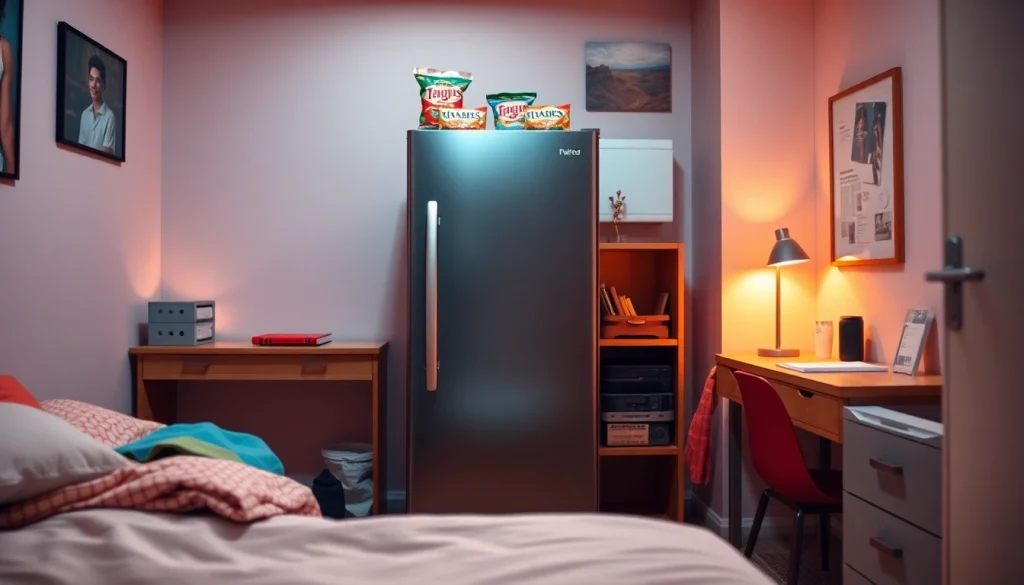

Understanding the Importance of a Dorm Room Fridge
Why Every College Student Needs One
Your college experience is often defined by independence, exploration, and the ability to manage your time and resources effectively. Among essential items that can enhance your living situation, having a dorm room fridge stands out. This compact appliance not only stores perishable goods but also provides a convenient solution for snacks and beverages, facilitating a smoother and more enjoyable college experience.
Top Benefits of Having a Dorm Room Fridge
A dorm room fridge comes packed with benefits. Firstly, it encourages a healthier lifestyle. With easy access to fresh fruits, yogurt, and other nutritious snacks, students can avoid the temptation of junk food from vending machines or nearby fast-food joints. Secondly, it fosters financial savings. Instead of relying on campus dining services, students can buy groceries in bulk and prepare simple meals, ultimately cutting down food expenses. Lastly, having your food readily available supports better time management; no more rushing to eat in between classes, as you can plan your meals more efficiently.
Common Misconceptions about Dorm Room Fridges
Another point to consider are the misconceptions surrounding dorm room fridges. Some students may think that these fridges are too small to be useful, but in reality, a well-chosen model can hold plenty of food and beverages, making them ideal for student lifestyles. Others may believe they will only use it for the first semester, but most find it invaluable throughout their college years. Thus, understanding your specific needs can help you maximize the benefits of having this essential appliance.
Key Features to Look for in a Dorm Room Fridge
Size and Capacity Considerations
When seeking a dorm room fridge, size and capacity should be on your radar. Ideally, the fridge should be between 3 to 4 cubic feet, providing adequate space without overcrowding your dorm room. Consider the layout of your living space; a taller, narrower fridge may fit better in tight corners, while wider models could be used as a focal piece in the room. Furthermore, think about what you plan to store—snacks, drinks, or leftovers from meals. Understanding usage needs assists in determining the right size.
Energy Efficiency Ratings Explained
Energy efficiency is another critical element to evaluate when choosing a dorm room fridge. Models that have an Energy Star rating are designed to consume less electricity, thereby saving on your utility costs and being more environmentally friendly. For students on tight budgets, the importance of energy efficiency cannot be overstated, as over time, a fridge that conserves energy proves significantly cheaper to operate than its less efficient counterparts.
Additional Features and Accessories
Beyond just basic refrigeration, many dorm room fridges offer additional features that can significantly enhance their functionality. Look for appliances with adjustable shelves, built-in can dispensers, and separate freezer compartments. These features can improve organization, make everyday use more convenient, and allow you to store a variety of items from frozen meals to drinks. Some models even include USB ports for quick charging of devices–a thoughtful touch for the modern student.
Popular Types of Dorm Room Fridges
Mini Fridges: Pros and Cons
Mini fridges are often the first choice for dorm room use due to their compact size. The major advantage is space efficiency; they fit easily under a desk or in a tight corner. However, the limited storage capacity may be a drawback for those who plan on storing more than just snacks and beverages. Understanding the balance between space and storage is crucial in selecting the right appliance.
Compact Fridges with Freezer Options
Compact fridges with freezer options offer a flexible solution for students wishing to store frozen items like pizzas or ice cream. These models vary in size and price, but the added freezer compartment typically justifies the increased space requirement. If you enjoy cooking or frequent frozen meal consumption, this type of fridge may suit your needs more aptly than a standard mini fridge.
Brands to Consider for Quality Options
The market offers various refrigerator brands catering to students’ needs. While you should consider factors like warranty and customer service, focusing on quality ratings and user reviews proves beneficial. Investigating brands with well-established reputations can improve your chances of finding a reliable model that fits your budget and requirements.
How to Maintain Your Dorm Room Fridge
Cleaning and Organizing Tips
Regular maintenance of your dorm room fridge is essential to ensure efficiency and hygiene. A thorough cleaning every few weeks can prevent odors and bacteria growth. Use mild soap and warm water, and ensure you clean the door seals, shelves, and any removable parts. For organization, categorize items by type, and label containers where possible. This approach fosters a more efficient system for accessing your food and drinks.
Common Issues and Troubleshooting
Students should be prepared to tackle common issues that may arise with their fridge. If your fridge isn’t cooling properly, consider checking the temperature settings, ensuring the vents aren’t blocked, or simply cleaning the condenser coils. Additional issues can include strange noises or leaks; in such cases, consulting the user manual and following troubleshooting steps is advisable before contacting professional help.
Energy-Saving Practices
Utilizing your dorm room fridge efficiently can help lower energy consumption. Keep the temperature settings optimized, typically around 37°F for the fridge and 0°F for the freezer. Avoid leaving the door open for extended periods and try to keep the fridge stocked; a full fridge retains cold air better than an empty one. These simple practices can effectively enhance energy efficiency and lower your electricity bill.
FAQs About the Dorm Room Fridge
What size dorm room fridge should I buy?
Your dorm room fridge should typically be around 3 to 4 cubic feet for optimal use.
How much energy does a dorm room fridge consume?
Most energy-efficient dorm room fridges use about 200-300 kWh per year, which is relatively low.
Can I store frozen items in a dorm room fridge?
Yes! If your fridge has a small freezer compartment, you can store ice and frozen meals safely.
How do I keep my fridge organized?
Use clear containers, label shelves, and regularly check expiration dates for easy organization.
Is it worth getting a dorm room fridge?
Absolutely! A dorm room fridge offers convenience, saves money on snacks, and helps you maintain a balanced diet.